
Practical Ways to Reduce Food Waste at Home
Reducing food waste at home is a simple yet impactful way to save money, conserve resources, and help the environment. Every year, millions of tons of food are thrown away, often because of improper storage, over-purchasing, or confusion about expiration dates. Fortunately, with a few thoughtful habits and practical tips, you can cut down on food waste significantly. Here’s a guide to help you start making a difference right from your kitchen.
Why Reducing Food Waste Matters
Before diving into tips, it’s useful to understand why reducing food waste is important. Wasted food means wasted time, money, and natural resources like water and energy. Plus, decomposing food in landfills produces methane, a potent greenhouse gas contributing to climate change. By cutting down on the food you throw away, you’re supporting a healthier planet and using your budget more wisely.
Plan Your Meals Ahead
One of the most effective ways to avoid food waste is by planning your meals. When you know what you’ll eat throughout the week, you can shop more accurately and avoid impulse buys that might spoil before use.
How to Plan Meals Effectively
– Create a weekly menu based on your schedule and preferences.
– Check your fridge and pantry first to use what you already have.
– Make a detailed shopping list and stick to it.
– Consider recipes that use similar ingredients to minimize leftovers.
Shop Smartly
Shopping carefully can significantly reduce waste.
Tips for Smarter Shopping
– Buy loose fruits and vegetables so you get only what you need.
– Choose fresh produce in smaller quantities if you don’t consume quickly.
– Avoid bulk purchases unless you’re sure the food will be eaten or can be frozen.
– Check expiration dates and avoid products you won’t use soon.
Proper Storage of Food
Storing food correctly extends its life and keeps it fresh longer.
Storage Tips
– Keep fruits and vegetables in the right place: some do better in the fridge, others at room temperature.
– Use airtight containers to maintain freshness and prevent spoilage.
– Label leftovers with dates to remember when they were made.
– Store bread in a cool, dry place or freeze it for longer use.
Serve Smaller Portions
Serving smaller portions helps prevent uneaten food from ending up in the trash.
– Start with smaller servings; you can always have seconds if still hungry.
– Offer condiments and sides separately so people can take only what they want.
– Encourage family members to take only what they will eat.
Use Leftovers Creatively
Instead of throwing away leftovers, reinvent them into new meals. This not only reduces waste but also adds variety to your menu.
Ideas for Leftover Meals
– Turn roasted vegetables into soups or frittatas.
– Use stale bread for croutons or breadcrumbs.
– Mix leftover rice or grains with vegetables and protein for fried rice or salads.
– Blend overripe fruits into smoothies or bake them into muffins.
Compost Food Scraps
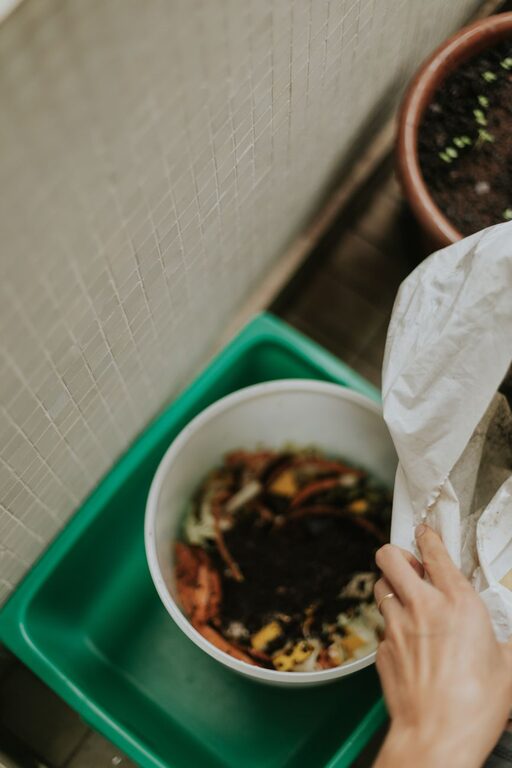
Even with all precautions, some food scraps are unavoidable. Composting is an excellent way to recycle organic waste instead of sending it to the landfill.
– Set up a compost bin in your backyard or use a small indoor compost container.
– Compost fruit peels, vegetable scraps, coffee grounds, and eggshells.
– Avoid composting meat, dairy, or oily foods which can attract pests.
Understand Food Labels
Misinterpreting labels like “sell by,” “use by,” or “best before” can lead to premature disposal.
– “Sell by” is for retailers and does not mean the product is unsafe after this date.
– “Best before” indicates quality, not safety; food may still be good after this date.
– Use your senses — smell, look, and taste — to judge if food is still okay to eat.
Donate Surplus Food
If you have edible food you won’t use, consider donating it to local food banks or community organizations. Many places accept unopened, non-perishable items and sometimes fresh food too.
Educate Your Household
Encourage everyone in your home to be mindful about food waste. When everyone participates, it becomes easier to maintain good habits.
– Share tips and involve family members in meal planning and shopping.
– Teach kids about the value of food and the importance of not wasting it.
—
Adopting these habits can make a big difference in reducing food waste at home. Start small by experimenting with a few tips that fit your lifestyle and build from there. Not only will your efforts help the planet, but they will also create a more efficient and enjoyable kitchen environment. Happy cooking and saving!