
Beginner Tips for Backyard Birdwatching: Start Your Feathered Journey
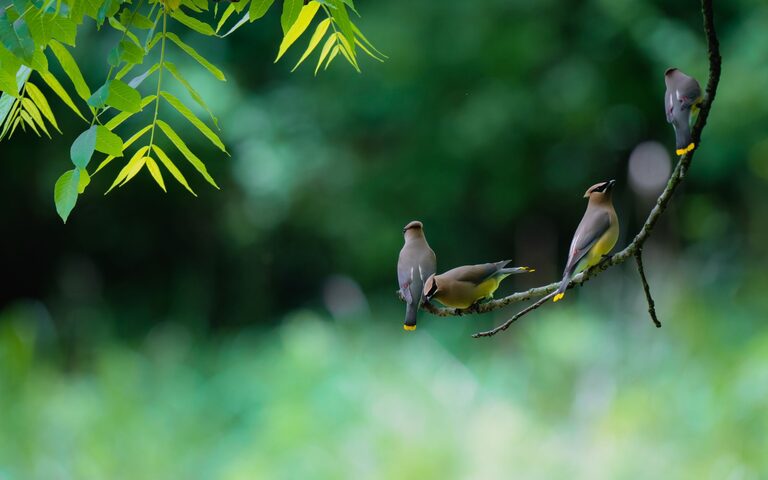
Birdwatching is a relaxing and rewarding hobby that anyone can enjoy, right from the comfort of their own backyard. Whether you live in a city apartment or a rural home, watching birds can bring you closer to nature and provide a peaceful escape from daily life. If you’re new to birdwatching, this guide will help you get started with easy tips to attract, observe, and identify birds in your outdoor space.
Why Start Backyard Birdwatching?
Birdwatching doesn’t require expensive gear or lots of time. It’s a great way to connect with nature, learn about local wildlife, and even improve mental well-being. Plus, it’s an activity that people of all ages can enjoy. Watching birds can also help you appreciate the seasonal changes as different species visit at different times of the year.
—
Essential Beginner Tips for Backyard Birdwatching
1. Create a Bird-Friendly Habitat
To attract birds, you’ll want to create a welcoming environment:
– Provide Food: Start by offering simple bird feeders filled with seeds like sunflower, millet, or nyjer. You can also scatter seeds on the ground for ground-feeding birds.
– Offer Water: Birds need fresh water for drinking and bathing. A birdbath or shallow dish with clean water will attract many visitors.
– Add Shelter: Plant native shrubs or trees if you can. They provide food, nesting spots, and protection from predators.
– Avoid Chemicals: Skip pesticides and herbicides which can harm birds and reduce the insects they feed on.
2. Choose the Right Bird Feeders
There are many types of bird feeders, and choosing the right one can increase your chances of seeing a variety of birds:
– Tube Feeders: Great for small songbirds like finches and chickadees.
– Platform Feeders: Open trays that attract larger birds like cardinals and jays.
– Suet Feeders: These hold a cake of suet that woodpeckers and nuthatches love.
– Hummingbird Feeders: Filled with a sugar-water mixture to attract hummingbirds specifically.
3. Start a Bird Journal
Keeping a journal helps you track the birds you see and learn more about them.
– Record the date, time, and species spotted.
– Note interesting behaviors or calls.
– Sketch or take photos when possible.
– Use your journal to compare bird visits over different seasons.
4. Use Binoculars and Field Guides
A good pair of binoculars is invaluable for birdwatching. Look for lightweight, easy-to-use models with magnification around 8x.
Field guides or smartphone apps can help you identify birds by color, size, shape, and song. Many apps offer photos, maps, and audio clips to make identification easier.
5. Be Patient and Observant
Birdwatching requires patience. Birds may take time to discover your feeders or birdbaths. Sit quietly and watch for movement. Listen for bird calls, which can help you locate them even if they are hidden in trees.
Try to avoid sudden movements or loud noises. Early morning and late afternoon are often the best times to observe birds when they are most active.
—
Common Backyard Birds to Look For
Here are some common backyard birds you might see depending on your region:
– American Robin: Known for their orange breast and melodic songs.
– Northern Cardinal: Bright red males and soft brown females, popular in many parts of the U.S.
– Blue Jay: Bold blue color with loud calls.
– Mourning Dove: Soft grey birds with gentle cooing sounds.
– House Finch: Small birds with red, orange, or yellow tones.
– Black-capped Chickadee: Small birds with distinctive black caps and white cheeks.
– Downy Woodpecker: Tiny woodpeckers with black and white markings and a short bill.
—
Additional Tips to Enhance Your Birdwatching Experience
– Avoid Window Collisions: Place feeders and birdbaths within 3 feet or more than 30 feet from windows to prevent birds flying into glass.
– Keep Feeders Clean: Washing feeders regularly helps prevent disease.
– Change Seed Types Seasonally: Some birds prefer different foods in winter vs. summer.
– Join a Local Birdwatching Group: These groups offer events and resources for beginners.
– Use a Camera or Smartphone: Capture photos for fun and to help with identification later.
—
Final Thoughts
Backyard birdwatching is an enjoyable way to engage with nature and learn about the wildlife in your own neighborhood. By setting up feeders, providing water and shelter, and taking time to observe quietly, you can attract a variety of birds and start recognizing their unique traits.
Remember, the key to successful birdwatching is patience and curiosity. Each visit to your yard can bring new surprises and moments of calm. Happy birdwatching!